Column · @cannabispetsstore
Understanding Cannabis for Pets: What Every Pet Owner Should Know
The Growing Interest in Cannabis for Pets
I have been following the conversation around cannabis for pets for several years now, and I have seen attitudes shift from outright skepticism to cautious curiosity. A few years ago, a friend of mine mentioned that her elderly Labrador seemed restless and anxious during thunderstorms. She tried a few things, from compression vests to calming music, but nothing really helped. Then she read about hemp-derived CBD and decided to give it a try. The difference, she told me, was noticeable within a week. Stories like hers are becoming more common, and they raise important questions about what cannabis for pets actually means, how it works, and where the line is between helpful and harmful.
The topic sits at an intersection of veterinary science, pet owner experience, and evolving regulation. I have spent time talking to veterinarians, reading studies, and listening to pet owners who have tried various products. What I have learned is that the phrase covers a broad range of compounds and delivery methods, from CBD oil to nutraceutical chews, and not all of them are created equal. Understanding the differences is crucial for anyone considering these products for their own animals.
What Exactly Is Cannabis for Pets?
When people say cannabis for pets, they are usually referring to products that contain cannabinoids, most commonly CBD, without significant amounts of tetrahydrocannabinol, the psychoactive compound that causes the "high" associated with marijuana. The endocannabinoid system exists in all mammals, including dogs and cats, and it plays a role in regulating mood, appetite, pain perception, and immune response. By introducing phytocannabinoids like CBD, the idea is to support that system naturally.
This is not the same as giving your pet marijuana. The products marketed for animals typically use hemp-derived CBD, which contains less than 0.3 percent tetrahydrocannabinol by dry weight. They come in forms like CBD oil, edible treats, and nutraceutical chews. Some brands, including Kush Station, offer pet health products that fall under this category. The goal is to target issues like canine anxiety, joint discomfort, and overall feline wellness without intoxicating the animal.
Common Uses and What the Science Says
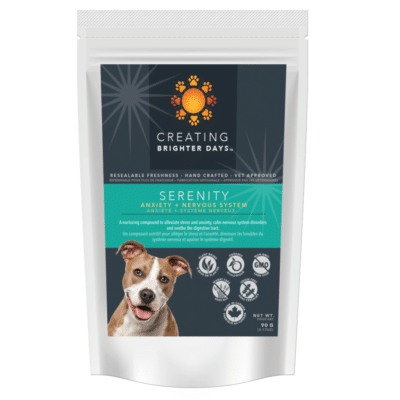
The most frequent reason I hear from pet owners for trying these products is anxiety. Dogs with separation anxiety, noise phobias, or general nervousness often show improvement with CBD-based products. I have seen it myself in a friend's rescue dog who could not settle during car rides. After a few days of a CBD oil tincture, the dog was calm enough to rest in the back seat without panting or pacing. That is anecdotal, but it matches what many owners report.
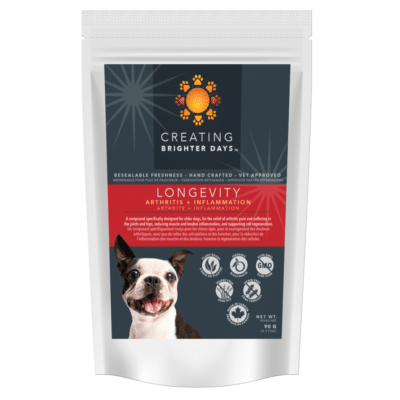
Beyond anxiety, there is interest in using these products for pain management, especially in older pets with arthritis or hip dysplasia. The anti-inflammatory and neuroprotective properties of CBD are well documented in human studies, and the same mechanisms apply to animals. However, pet pharmacokinetics, how a dog or cat metabolizes cannabinoids, is different from humans. Dogs have more cannabinoid receptors in their brains, which means they can be more sensitive to both the benefits and the risks.
Feline wellness is another area where pet owners are exploring options. Cats have a unique metabolism that makes them highly sensitive to certain compounds, including some essential oils and cannabinoids. What works for a dog may not be safe for a cat. I have spoken to veterinarians who advise extreme caution with cats, especially when it comes to any product containing tetrahydrocannabinol. Hemp-derived CBD, when properly dosed, is generally considered safer, but the research is still thin.
The Role of the Endocannabinoid System
The endocannabinoid system is a signaling network that helps maintain balance in the body. When an animal experiences stress, injury, or inflammation, this system kicks in to regulate the response. Some researchers have proposed the concept of canine endocannabinoid deficiency, a condition where the body does not produce enough endocannabinoids to manage these states effectively. In theory, supplementing with phytocannabinoids like CBD could help restore that balance.
This is still an emerging area of study. The American Veterinary Medical Association has not taken a formal position on CBD products, though it has issued guidance urging veterinarians to stay informed and to discuss the risks with clients. The lack of regulation means that product quality varies widely. I have seen lab tests showing that some pet CBD products contain little to no CBD, while others have unexpected levels of tetrahydrocannabinol. That variability is a real problem for pet owners who want to make an informed choice.
Dosing Guidelines and Pet Safety
One of the hardest parts of using these products is figuring out the right amount. Dosing guidelines are not standardized, and they depend on the animal's weight, the condition being treated, and the concentration of the product. Most manufacturers provide a range based on body weight, but I have found that starting on the low end and observing the animal's response is the smartest approach.
Pet safety should always come first. Signs of overconsumption include lethargy, drooling, vomiting, and in severe cases, tremors or seizures. If you see any of these symptoms, you should stop the product and contact your veterinarian. I cannot stress enough that you should never give your pet a product meant for humans, especially one containing tetrahydrocannabinol. The risk of toxicity is real, and emergency vet visits for cannabis ingestion have increased in areas where recreational marijuana is legal.
Some products combine hemp-derived CBD with other herbs marketed as pet focus herbals or calming blends. These can include chamomile, valerian root, or L-theanine. While these ingredients are generally safe, the combination can make it hard to know what is causing the effect. If you are trying a multi-ingredient product, introduce it one at a time if possible.
What to Look for in a Product
If you decide to explore cannabis for pets, choose products that offer third-party lab testing. A certificate of analysis should confirm the amount of CBD and the absence of contaminants like heavy metals or pesticides. Look for products that use hemp-derived CBD and that list the source of the hemp. Avoid anything that makes wild claims about curing diseases or replacing veterinary care.
I also recommend talking to your vet before starting any new supplement, especially if your pet has a pre-existing condition or is on medication. Some vets are open to discussing CBD; others are not. If yours is not, consider seeking a second opinion from a veterinarian who has experience with cannabinoid products. The American Veterinary Medical Association does not endorse specific products, but it supports informed discussion between vets and clients.

The Road Ahead
The field is moving quickly. More studies are being published, and more veterinarians are becoming educated about the endocannabinoid system and how phytocannabinoids interact with it. I expect that within a few years, we will have clearer dosing guidelines, better regulated products, and a stronger evidence base for when and how to use these compounds. For now, the best approach is to be cautious, do your homework, and pay close attention to how your animal responds.
Whether you are dealing with canine anxiety, an aging cat with stiff joints, or a nervous rescue dog, the promise of cannabis for pets is real, but it is not a miracle. It is a tool, and like any tool, it works best when used with care and knowledge.